Rectus diastasis occurs when the abdominal muscles stretch or separate, often due to excessive pressure on the abdominal wall.
Here are some of the common factors that contribute to its development.


Rectus diastasis occurs when the abdominal muscles separate along the midline, creating a gap. This condition is common after pregnancy, significant weight changes, or ageing and can lead to a protruding belly and weakened core.
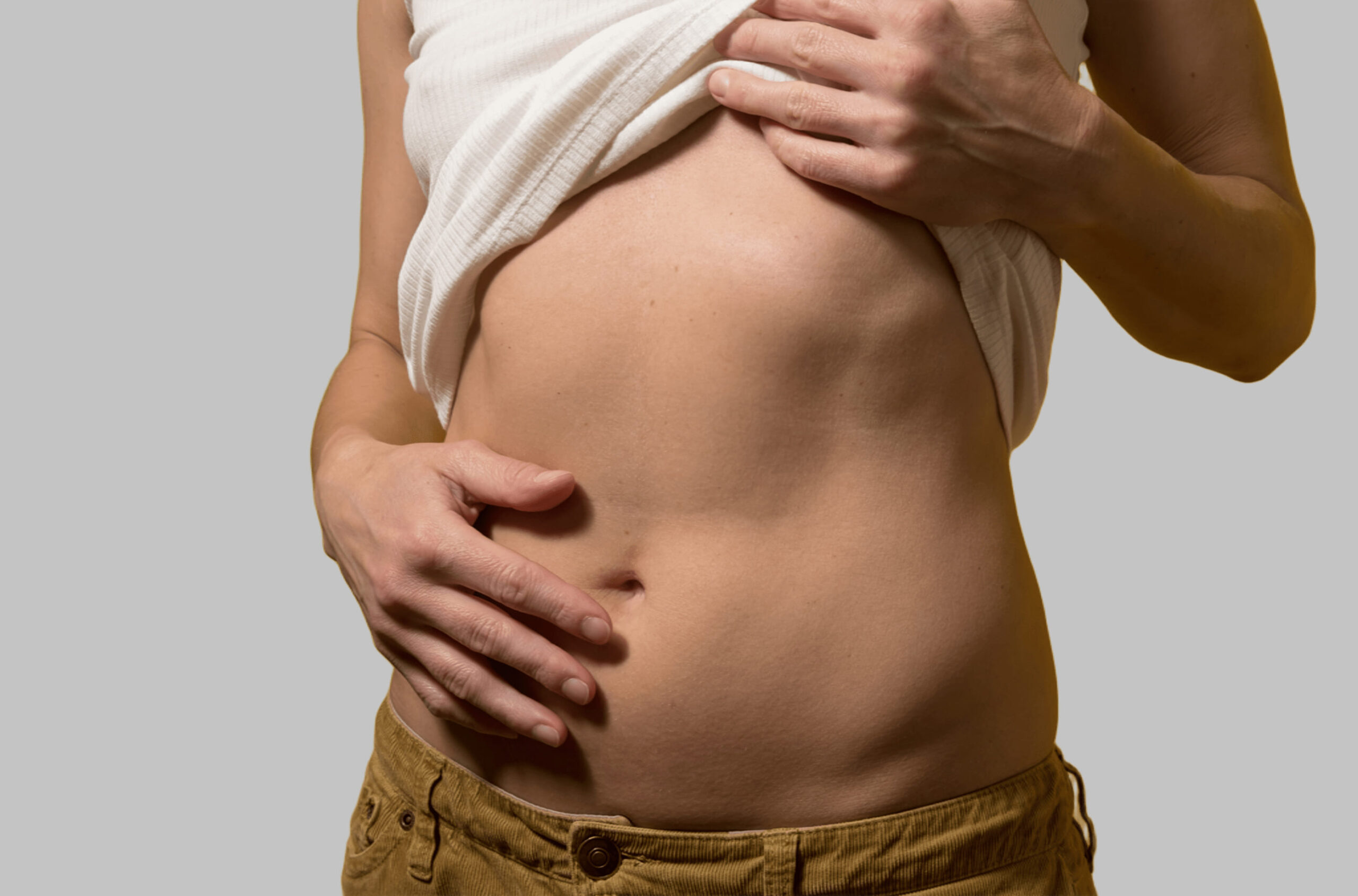
Rectus diastasis can cause a range of symptoms that affect both your physical comfort and overall well-being:

Rectus diastasis occurs when the abdominal muscles stretch or separate, often due to excessive pressure on the abdominal wall.
Here are some of the common factors that contribute to its development.

During pregnancy, the growing uterus stretches the abdominal muscles to accommodate the baby. This stretching can lead to muscle separation, particularly in later trimesters or with multiple pregnancies.

Rapid weight gain or loss can weaken the abdominal wall, causing the muscles to separate.

Repeated strain on the core, such as from lifting heavy objects improperly or chronic coughing, can increase the risk of rectus diastasis.

Some individuals are genetically predisposed to weaker connective tissue, making them more susceptible to muscle separation. Ageing can also reduce muscle elasticity, contributing to the condition.

In rare cases, surgery or physical trauma to the abdomen can weaken the abdominal muscles and cause separation.
You can check for rectus diastasis at home with these simple steps:
If you suspect rectus diastasis based on these signs, consider consulting a medical professional for a proper diagnosis and to discuss treatment options.

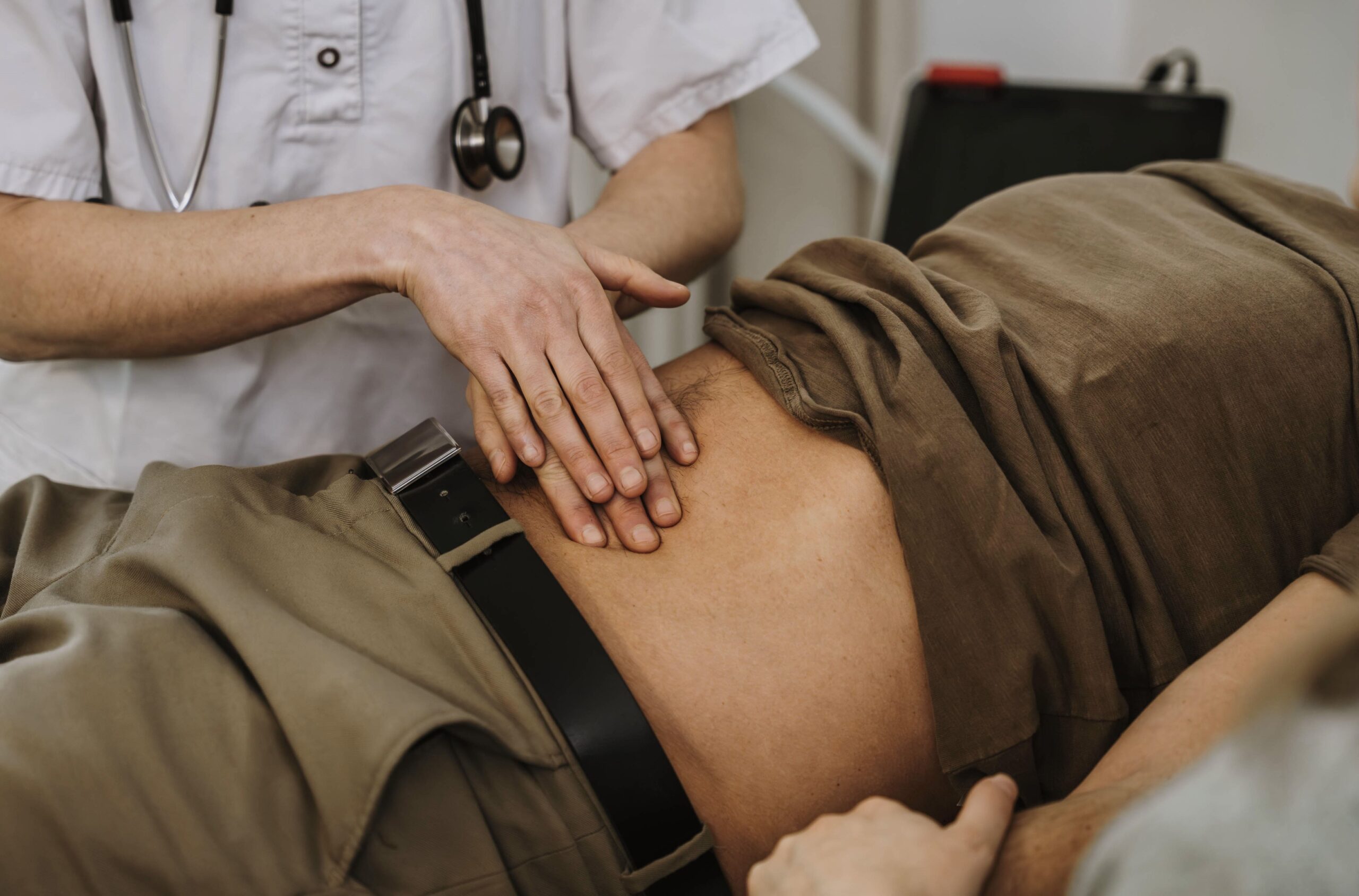
If you suspect you have rectus diastasis, a consultation with a plastic surgeon is one of the ways to confirm the condition and discuss treatment options. Here’s what typically happens during the diagnosis process:
In mild cases, rectus diastasis can sometimes improve through targeted exercises that focus on strengthening the core and rebuilding abdominal muscle connection. Techniques such as those taught by physical therapists or postpartum fitness specialists may help reduce the gap.
However, for moderate to severe cases, or when symptoms like back pain and abdominal bulging persist, surgical intervention is often the most effective solution to fully restore muscle alignment and core strength.
If you have rectus diastasis, it’s important to avoid exercises that put excessive strain on your abdominal muscles and may worsen the condition. These include:
Instead, focus on low-impact, core-stabilising exercises such as pelvic tilts, diaphragmatic breathing, or modified planks under the guidance of a physical therapist or fitness professional.
Leave your details, and we’ll connect with you promptly.
Mon – Fri: 10:00 AM – 6:00 PM
Weekends & PH: Closed
Have questions about MILA surgery? Dr. Marco provides personalised guidance and support that is tailored to your specific needs.
For more information or to book a consultation, call us at 6464 8075 or complete the form below.