

Results after surgery depend on factors like skin elasticity, healing, and adherence to post-surgery instructions.
MILA surgery- MINIMALLY INVASIVE LIPO-ABDOMINOPLASTY SURGERY
is a procedure designed to address specific abdominal concerns without the need for traditional open surgery.
Who Is Minimally Invasive Abdominoplasty for?
Minimally Invasive Abdominoplasty is specially tailored for individuals with targeted abdominal concerns who want an effective, less invasive alternative to traditional abdominoplasty. It is most suitable for:
- Patients with Rectus Diastasis: Individuals experiencing a gap in their abdominal muscles, often after pregnancy or weight fluctuations, without significant skin sagging.
- Minimal Skin Laxity: Ideal for those with good skin tone who do not require skin removal but want to address mild looseness.
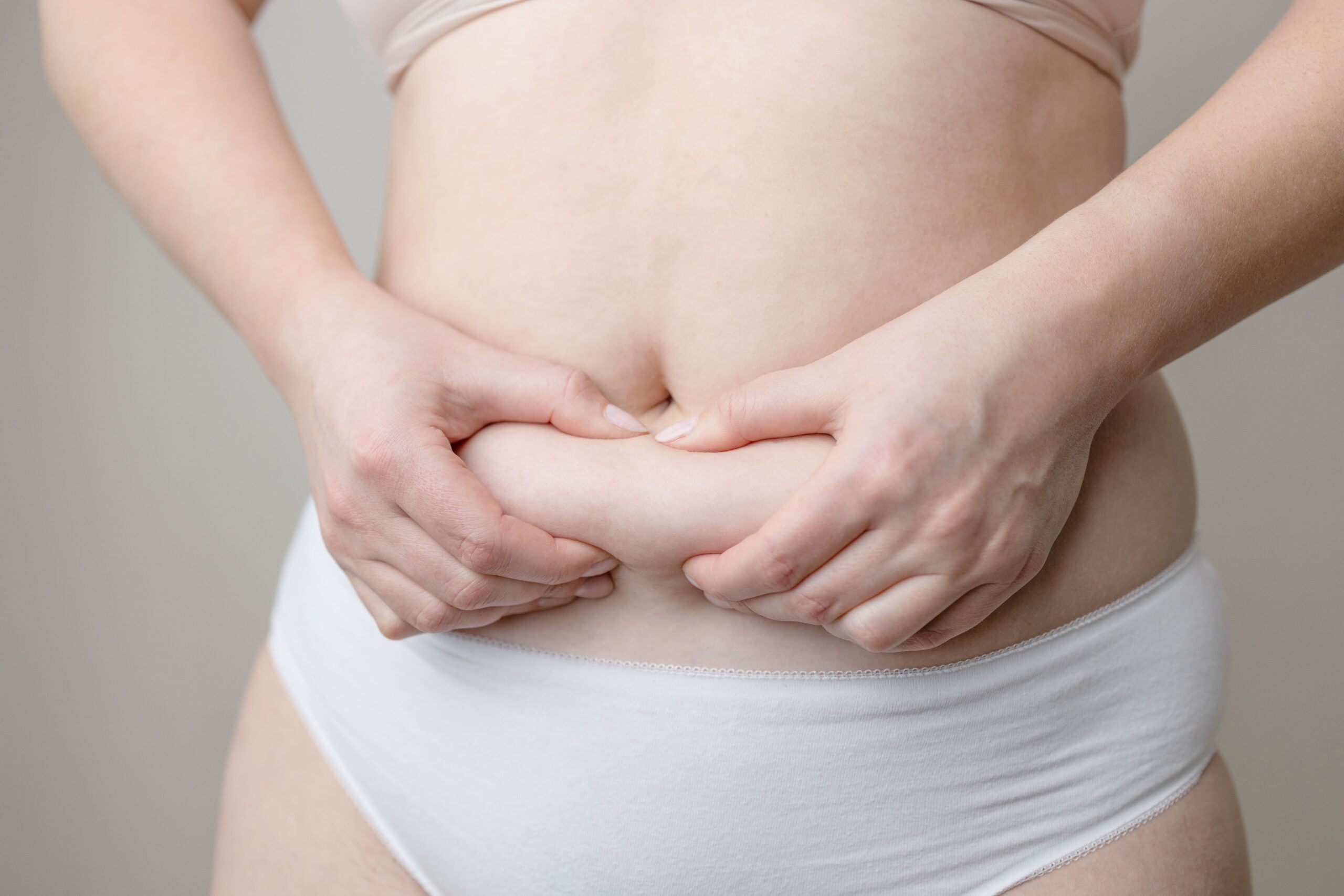
- Stubborn Fat Deposits: For those with localised fat that resists diet and exercise, MILA Surgery can help sculpt a smoother and more defined abdomen.
Frustrated by a persistent abdominal bulge or weak core? Reach out to Dr Marco today for a consultation.
The MILA Surgery Procedure
On the day of your MILA Surgery, the procedure follows these carefully planned steps to ensure accurate and effective results:
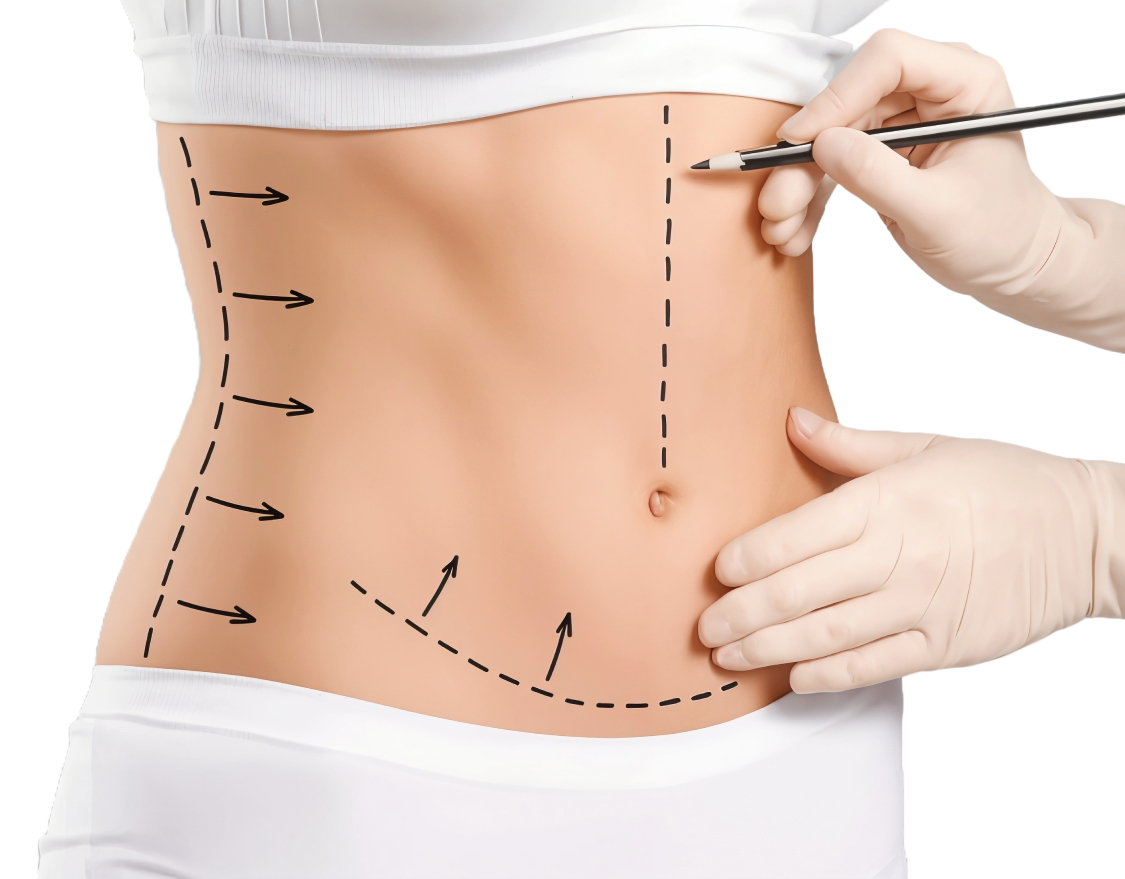
- Small, Discreet Incisions: The surgeon begins by making small incisions in areas of the abdomen strategically chosen to allow access to the underlying muscles and fat. These incisions are designed to minimise visible scarring, though the final result depends on individual healing responses.
- Repairing Abdominal Muscles: For patients with rectus diastasis (separation of the abdominal muscles), the surgeon carefully sutures the muscles back together to restore core strength and reduce abdominal bulging. Tools such as video-endoscopic systems or robotic technology may be utilised where appropriate to support accuracy and minimise tissue disruption.
- Fat Removal (if needed): If localised fat deposits are present, your plastic surgeon may use targeted liposuction techniques to remove excess fat. This step is carefully performed to sculpt and contour the abdomen, enhancing its shape and achieving a smoother, more balanced appearance.
- Skin Tightening (if needed): If mild skin laxity is present, the plastic surgeon may address this during the procedure by carefully excising excess skin or utilising other surgical methods to achieve a firmer and smoother result.
- Closing the Incisions: Once the procedure is complete, your plastic surgeon carefully closes the incisions using fine sutures or surgical adhesives, aiming to minimise visible scarring and promote optimal healing. Patients should follow post-operative care instructions closely to support the healing process.

What Can You Expect After MILA Surgery?

A Firmer and Defined Abdomen
Your abdominal area will appear smoother and more toned, depending on factors like skin elasticity and muscle condition.

A Balanced, Sculpted Contour
Localised fat removal and muscle repair create a proportional, natural appearance in most cases.

Improved Physical Comfort and Posture
Repairing the core can reduce strain on the back and enhance posture, especially for patients with rectus diastasis.

Minimal Downtime
The minimally invasive approach generally allows for faster recovery compared to traditional methods, with many patients resuming light activities within a few weeks.
Frequently Asked Questions
Your eligibility will depend on the type of prior surgery and your current abdominal condition. Discuss your medical history with your surgeon to determine if MILA Surgery is a suitable option.
The duration of the surgery depends on the complexity of the procedure and whether additional steps like fat removal or muscle repair are involved. Most MILA surgeries take between 2 to 4 hours.
MILA Surgery is typically performed under general anaesthesia to ensure patient comfort. Your surgeon will discuss anaesthesia options during your consultation.
Yes, most patients are advised to wear a compression garment for several weeks after the procedure to support healing and help reduce swelling.
Light walking is encouraged within a few days to aid circulation, but strenuous activities like weightlifting or core exercises should be avoided for at least 4 to 6 weeks or until cleared by your surgeon.
The results are long-lasting as long as you maintain a stable weight and healthy lifestyle. However, significant weight changes or pregnancies after the procedure may affect the outcome.
If you’re considering MILA surgery, don’t hesitate to reach out.
Leave your details, and we’ll connect with you promptly.
Mount Elizabeth Novena Hospital #10-26
38 Irrawaddy Road, Singapore 329563
38 Irrawaddy Road, Singapore 329563
Mon – Fri: 10:00 AM – 6:00 PM
Weekends & PH: Closed
Contact Us Today
Have questions about MILA surgery? Dr. Marco provides personalised guidance and support that is tailored to your specific needs.
For more information or to book a consultation, call us at 6464 8075 or complete the form below.